
Privacy in Your Outdoor Space
You know t hat thing where you step outside with your coffee, look around, make eye contact with all of your neighbours, and just... go back inside? Your yard should feel better than that!
Adding a feeling of seclusion to your yard is about more than just peace of mind… it’s a strategic investment in both your lifestyle and your property's value! Whether you want to put funds towards a modern fence or spend time growing and tending a lush living wall, adding privacy enhances daily enjoyment while significantly boosting appeal for future buyers. It is a rare home upgrade that balances immediate comfort with future payoff.
Start with the classics — because they still work
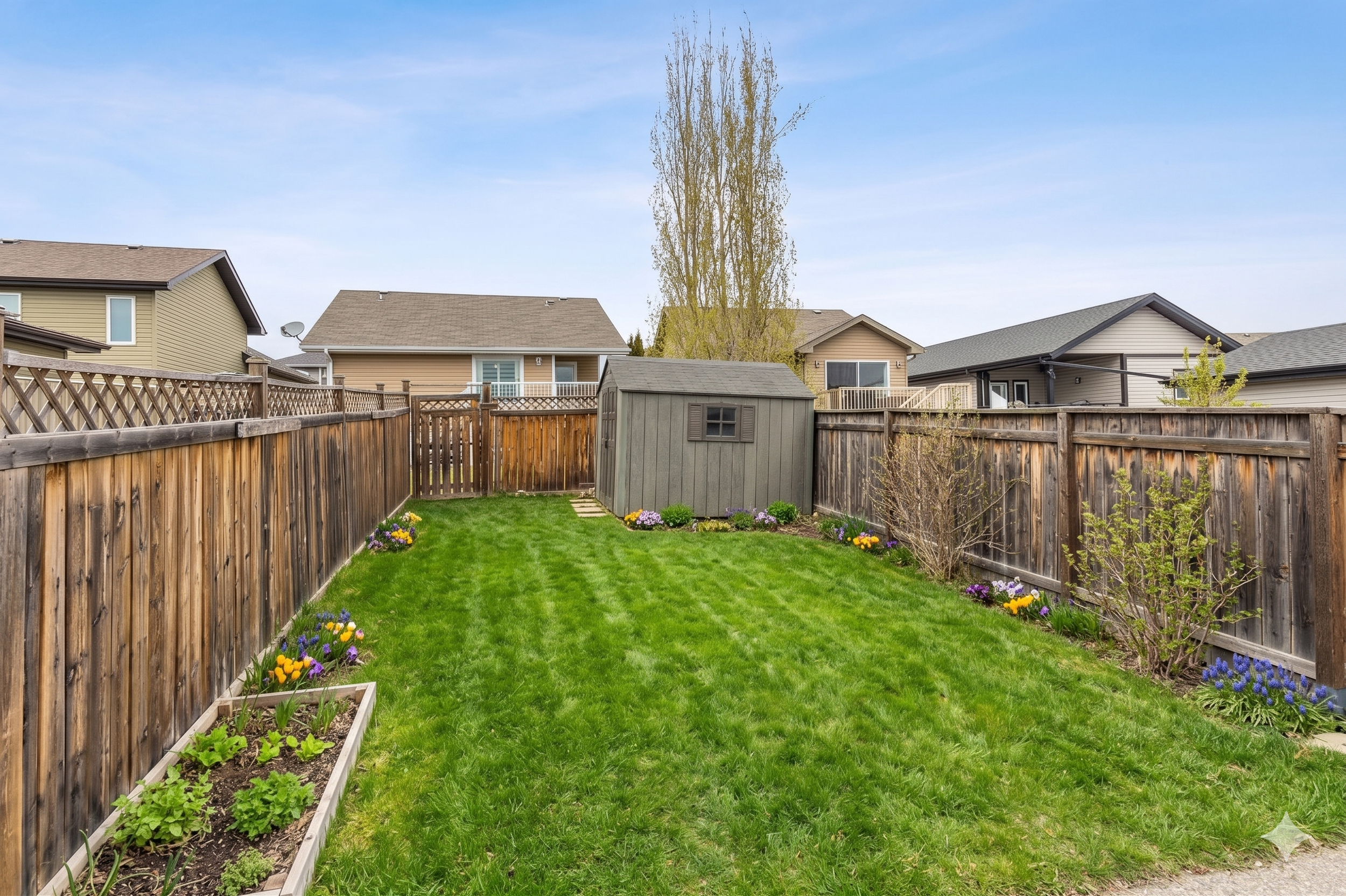
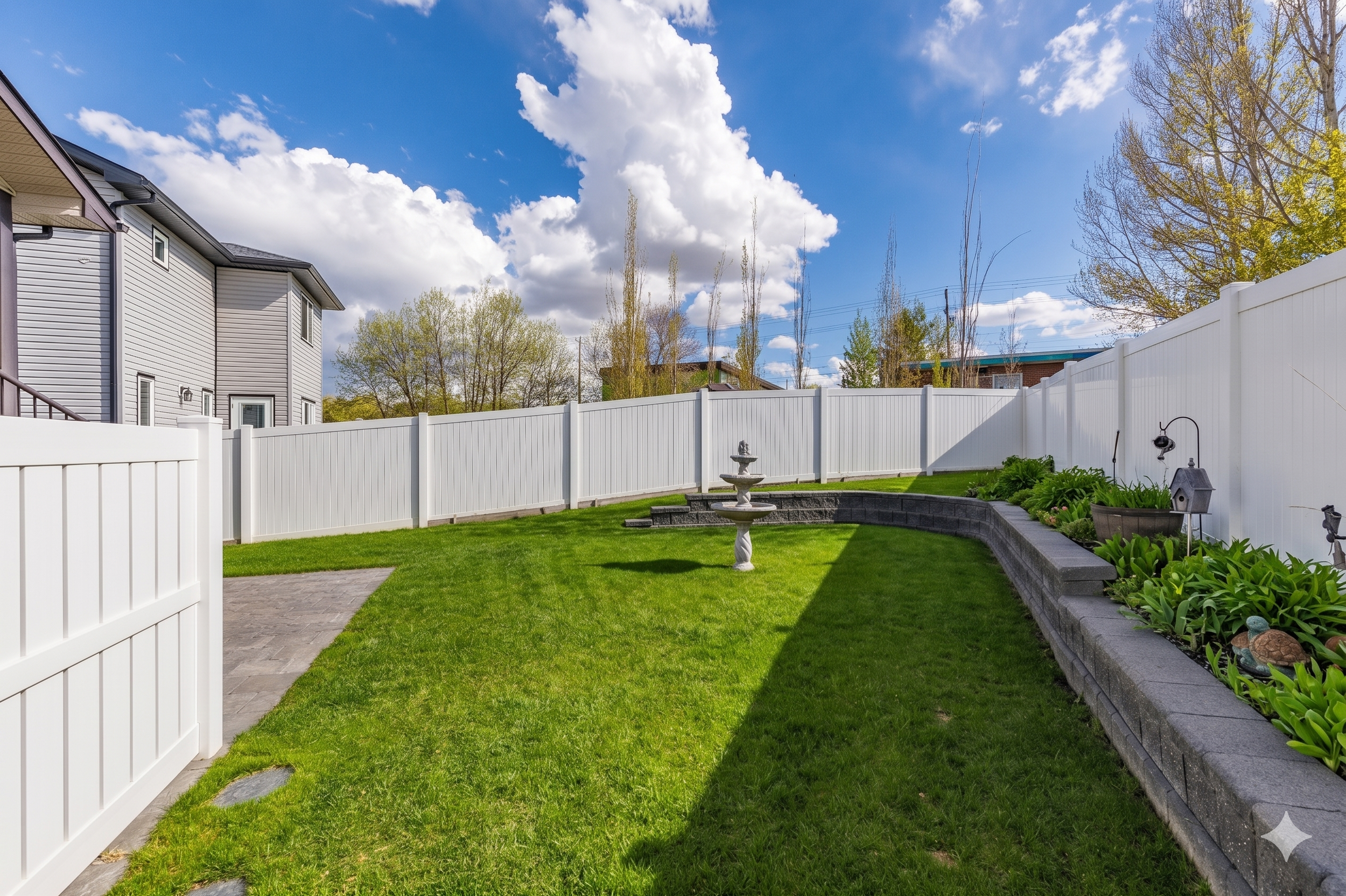
Fencing is one obvious move, and for good reason. A solid wood or composite privacy fence gives you immediate, year-round coverage. It also blocks wind, which can really matter when you live outside of or on the edge of the city, where prairie wind is stronger.
If you're going with wood, cedar holds up well in Alberta's freeze-thaw cycles. Composite costs more upfront but you're not re-staining it every few years, which can add up fast in both time, back breaking labour, and money.
If a full fence isn't in the budget right now, even a partial run of fencing along the most exposed side of your yard makes a big difference.
Trees and hedges — slow but genuinely worth it
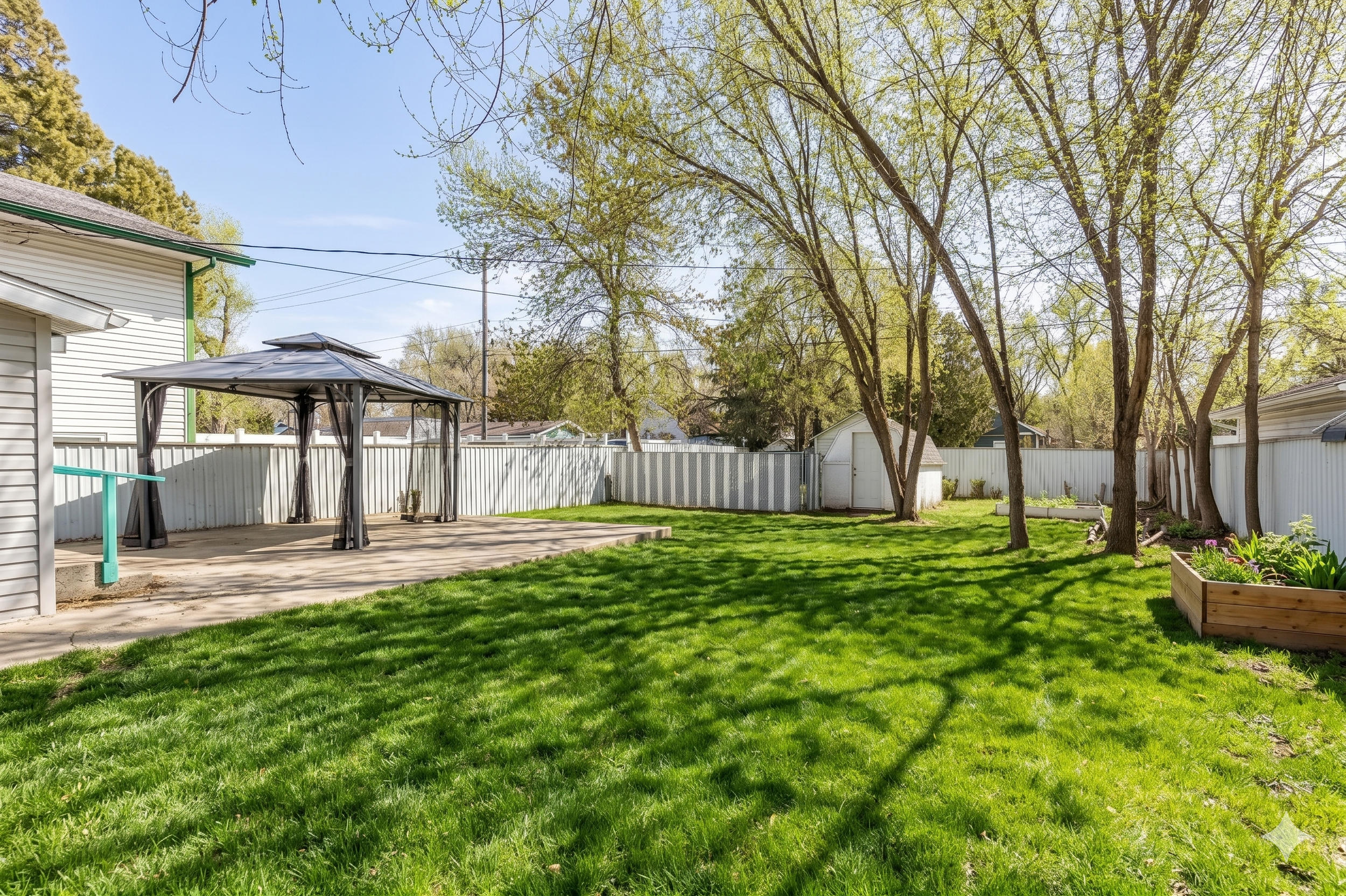
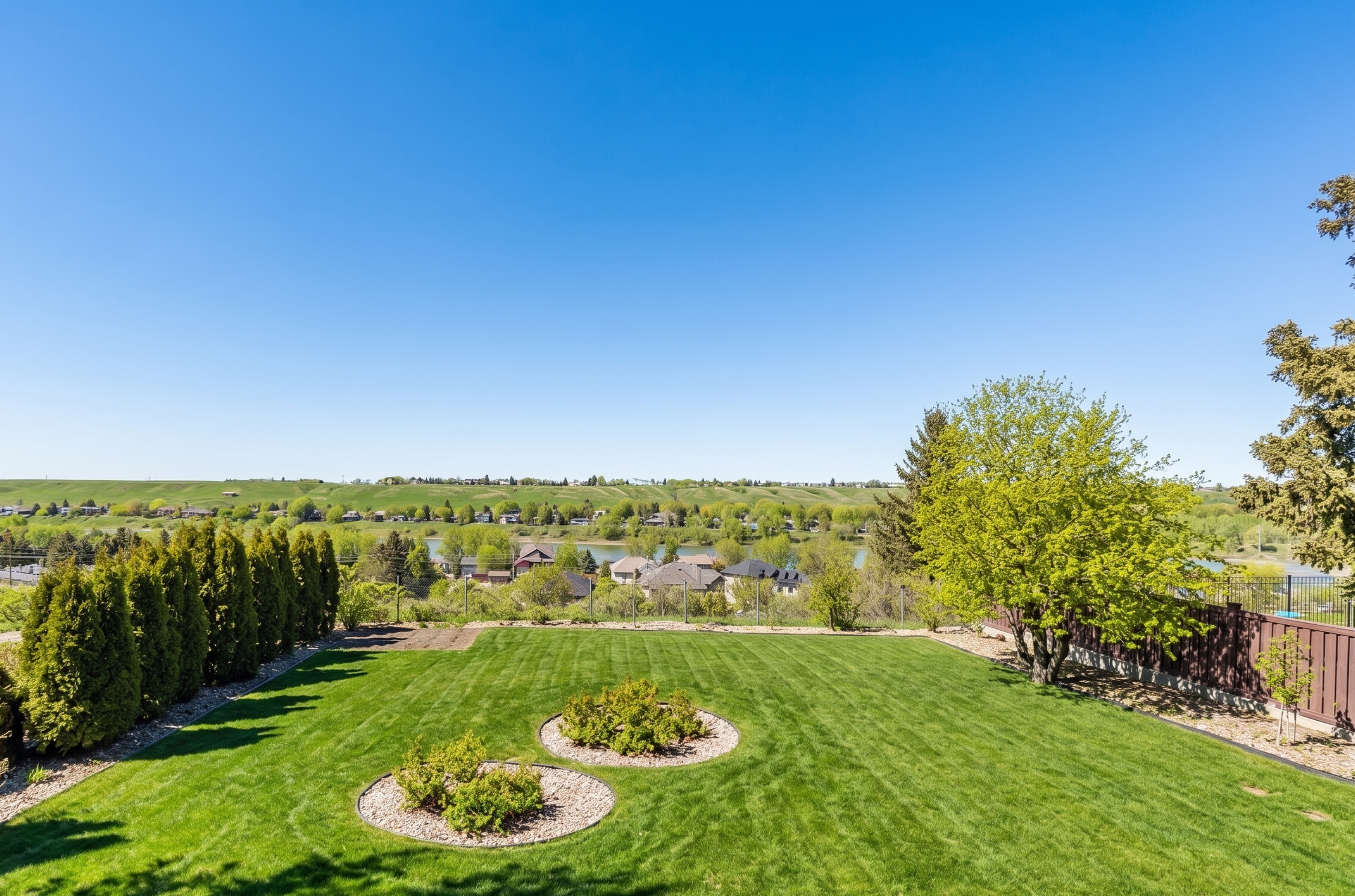
Natural privacy screening is popular here for good reason. It softens the yard, adds seasonal interest, and over time becomes one of the best features on the property.
Some options that do well in Southern Alberta:
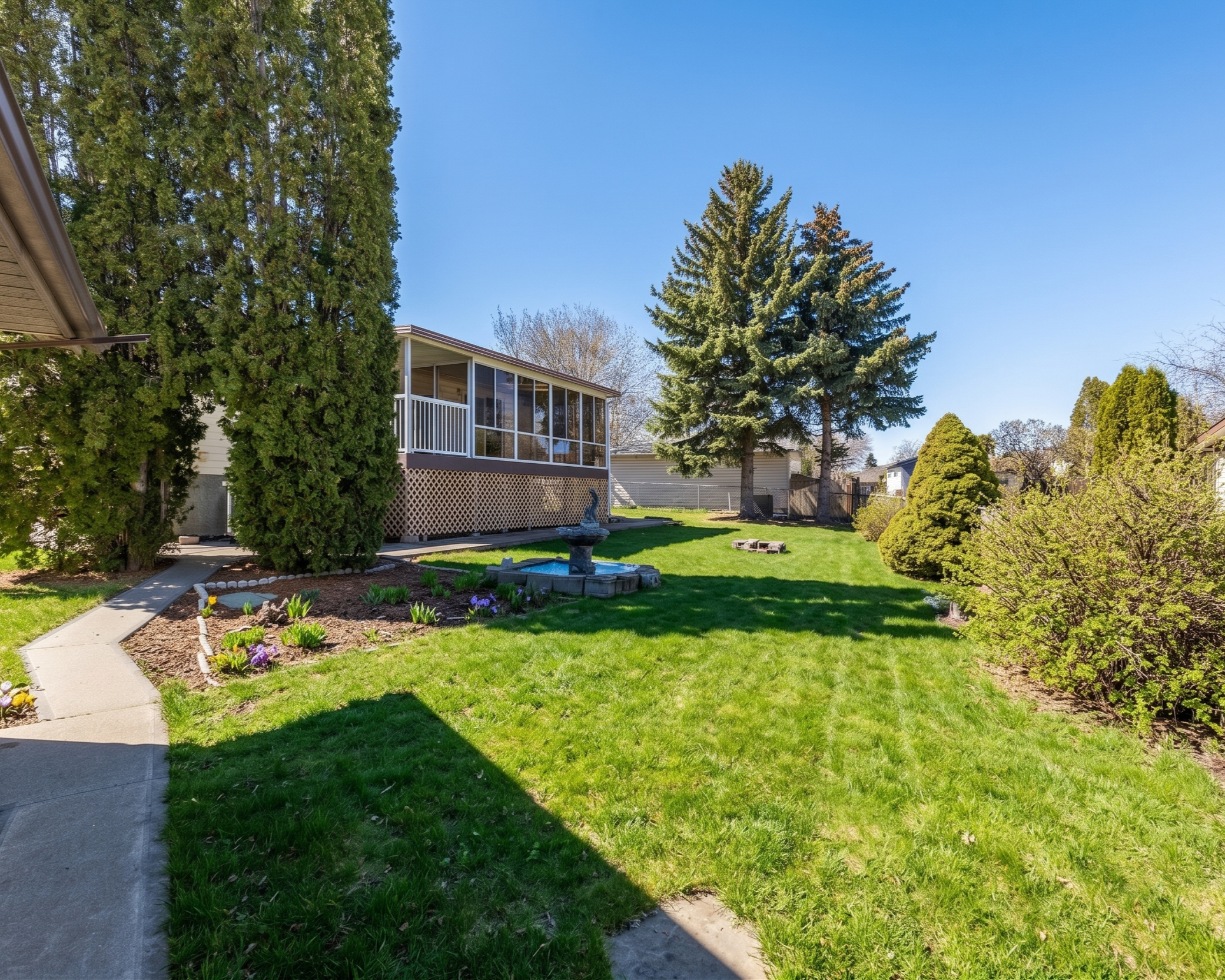
Spruce trees are the reliable workhorse — dense, evergreen, and they keep doing their job in January when everything else is bare.
Scots pine is a step up from spruce if you want something with more visual character. It grows faster than white spruce — especially in well-drained, sandy soil, which Medicine Hat has plenty of — and the orange-tinted bark adds something different to the yard as it matures. Full privacy hedge? No. But as anchor trees in a layered planting, they earn their spot.
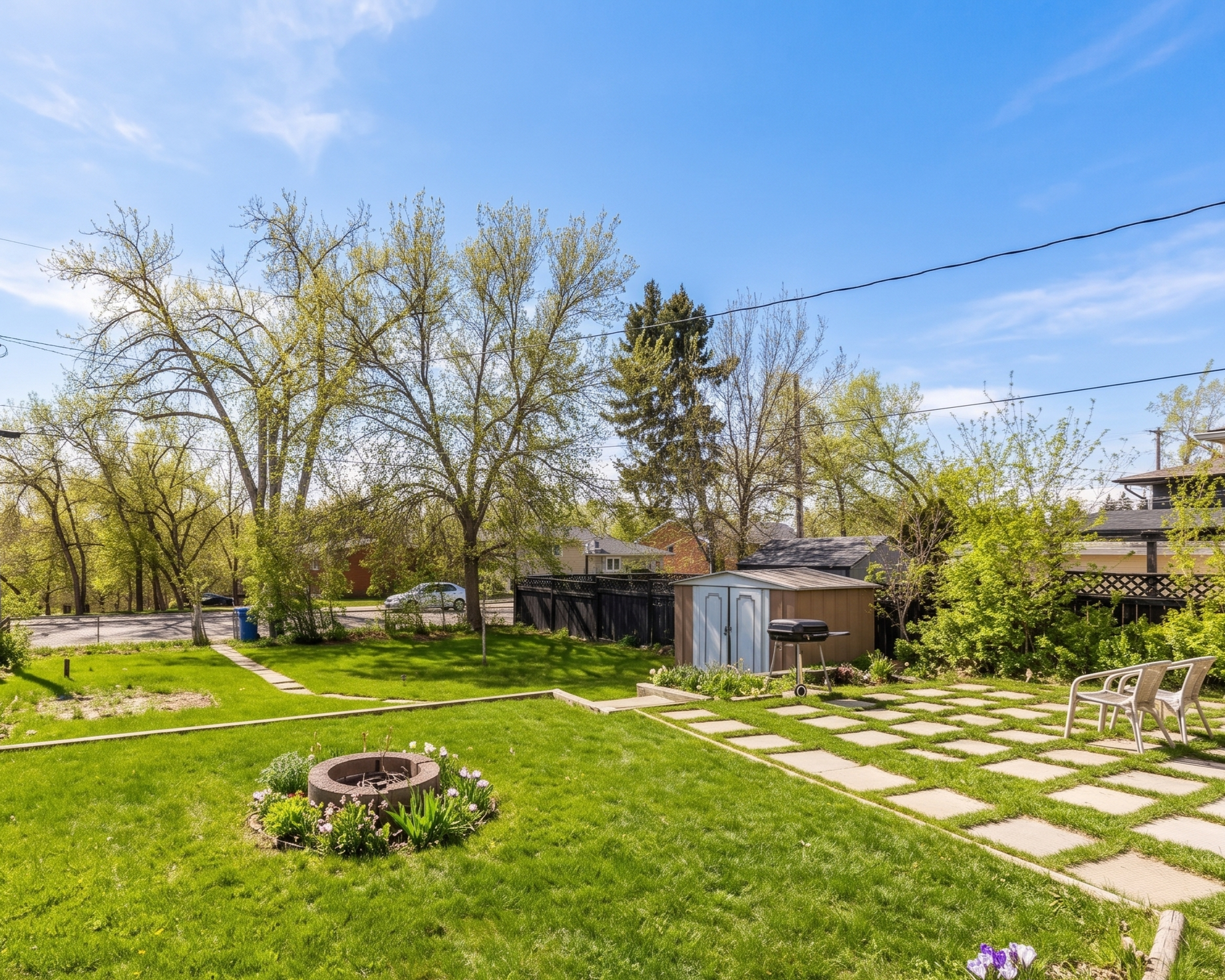
Manitoba maple gets a bad reputation because it seeds like crazy in a lawn setting, but planted deliberately along a fence line or property edge, it fills in remarkably fast. We're talking real canopy coverage in three to five years. If you're renting and don't own your property yet, this isn't your tree. But if you're putting down roots — literally — this is the right tree for you.
One thing that's worth mentioning: if you're buying locally, check in with places like Medicine Hat Co-op Garden Centre or Windmill Garden Centre. The staff there know what actually survives in our specific conditions and can steer you toward varieties that are already proven performers in the Hat.
The stuff that actually looks designed
This is where it gets interesting. Privacy features don't have to look like barriers — they can look like intentional parts of your outdoor design.
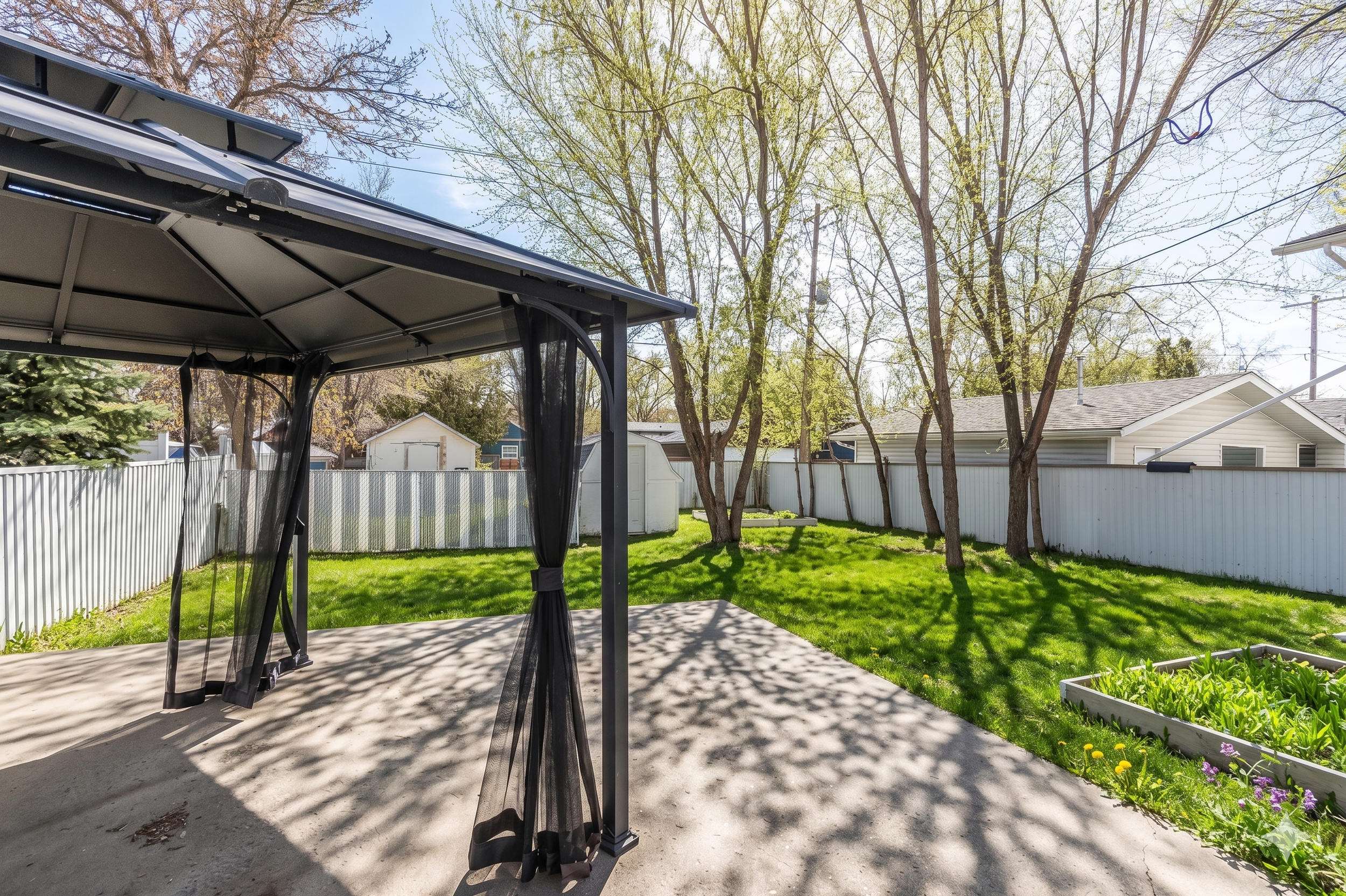
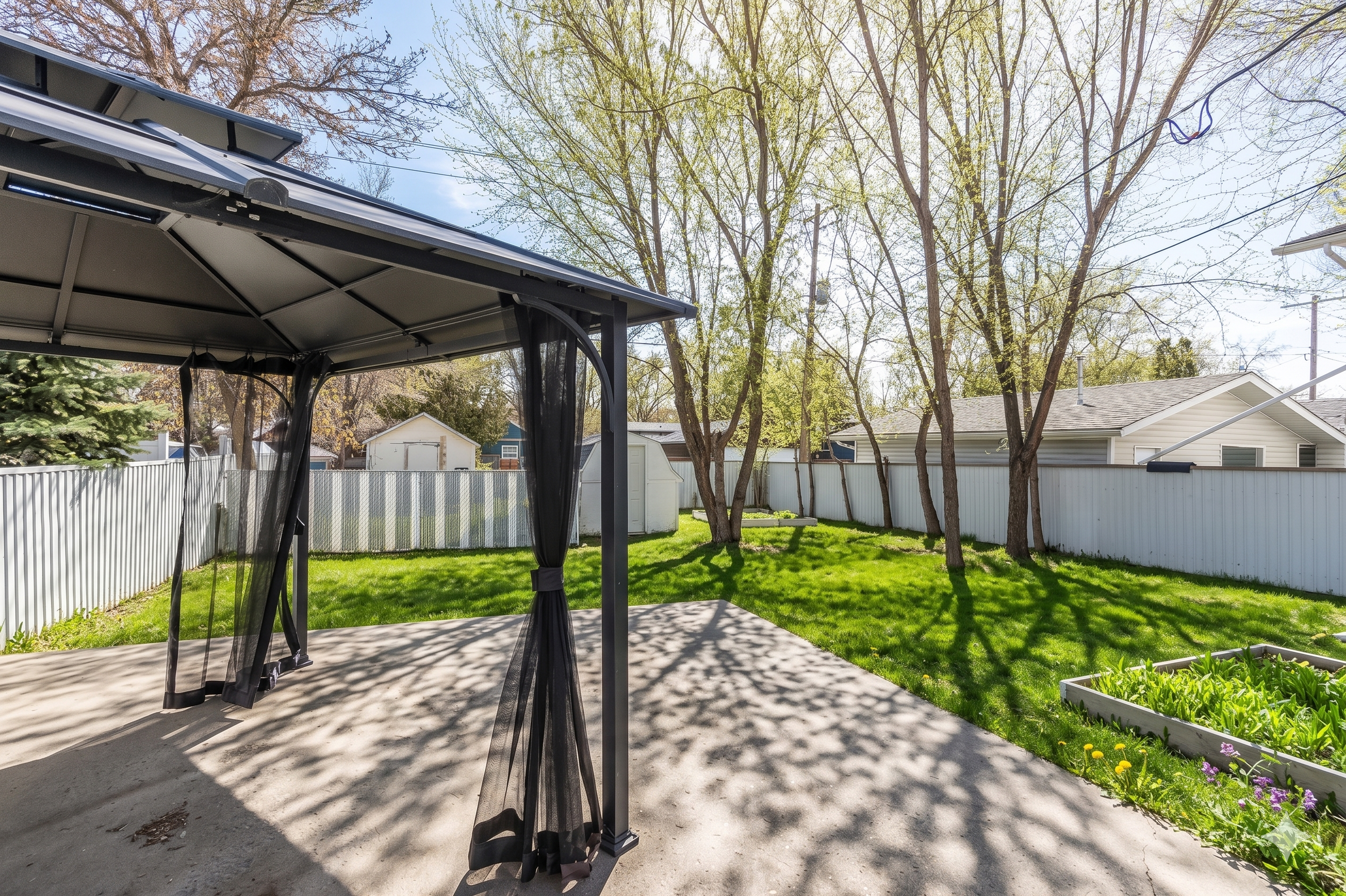
Outdoor curtains and drapes have become a lot more popular in the last few years, and honestly they look great when done right. If you've got a pergola or a covered deck, fabric panels that can be drawn open or closed give you flexibility that a fence never could. Open them up for a yard full of people. Close them off when it's just you and you want the space to feel contained and calm.
Decorative metal or wood screens are another option worth considering. Rather than a standard fence panel, these are cut-out privacy screens — often with geometric or nature-inspired patterns — that block sightlines without completely closing off airflow. Some of them genuinely look like outdoor art. A well-placed screen on the edge of a deck can completely change the feel of the space.
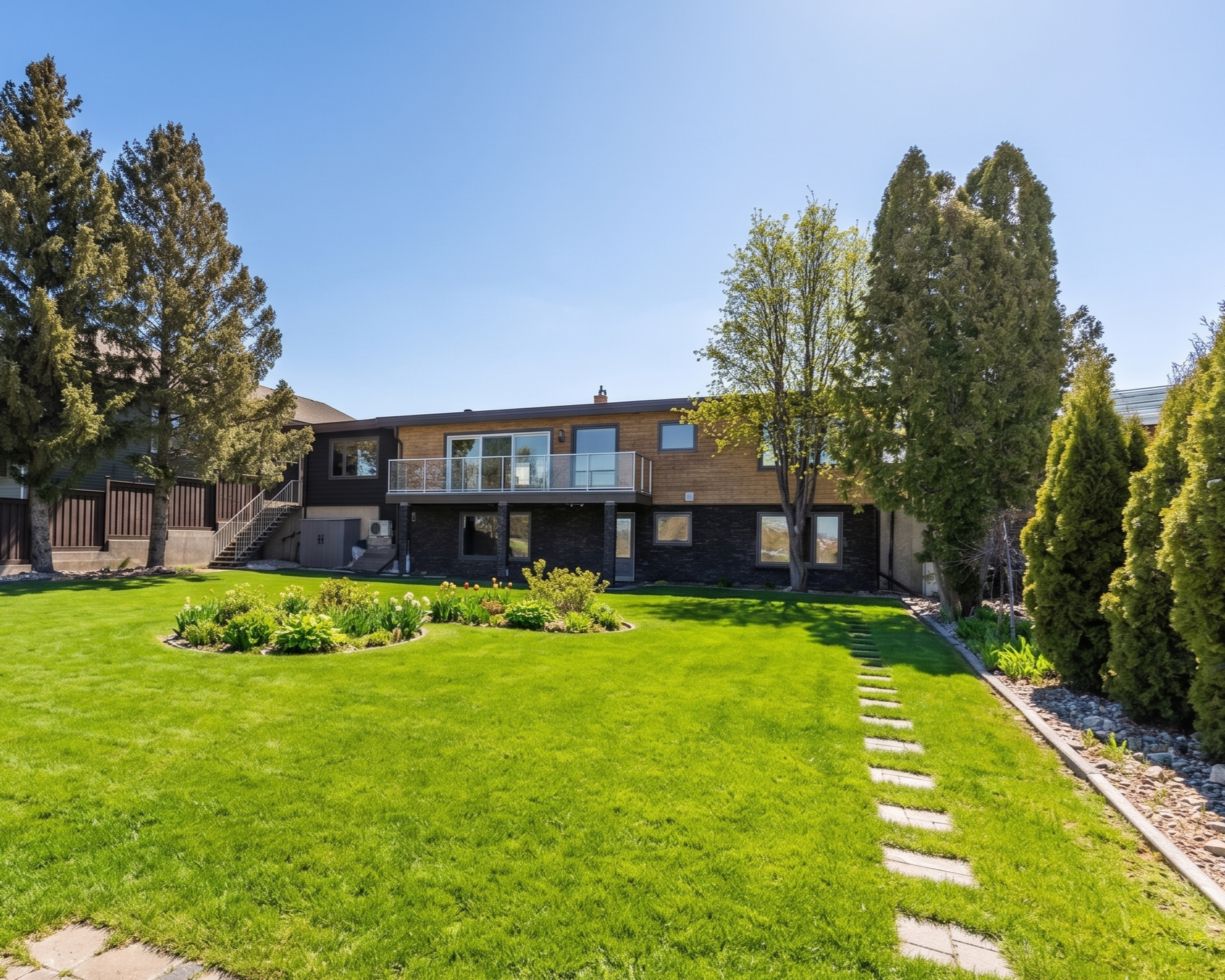
Layered landscaping is probably the most underrated approach. Instead of one big barrier, you build depth: low shrubs close to your seating area, medium-height planters or ornamental grasses a bit further out, taller trees or structures at the back. It creates the feeling of privacy without any single thing being the obvious "privacy solution." It also tends to make smaller yards feel bigger rather than more boxed in, which is a nice trick.
If you're thinking longer term
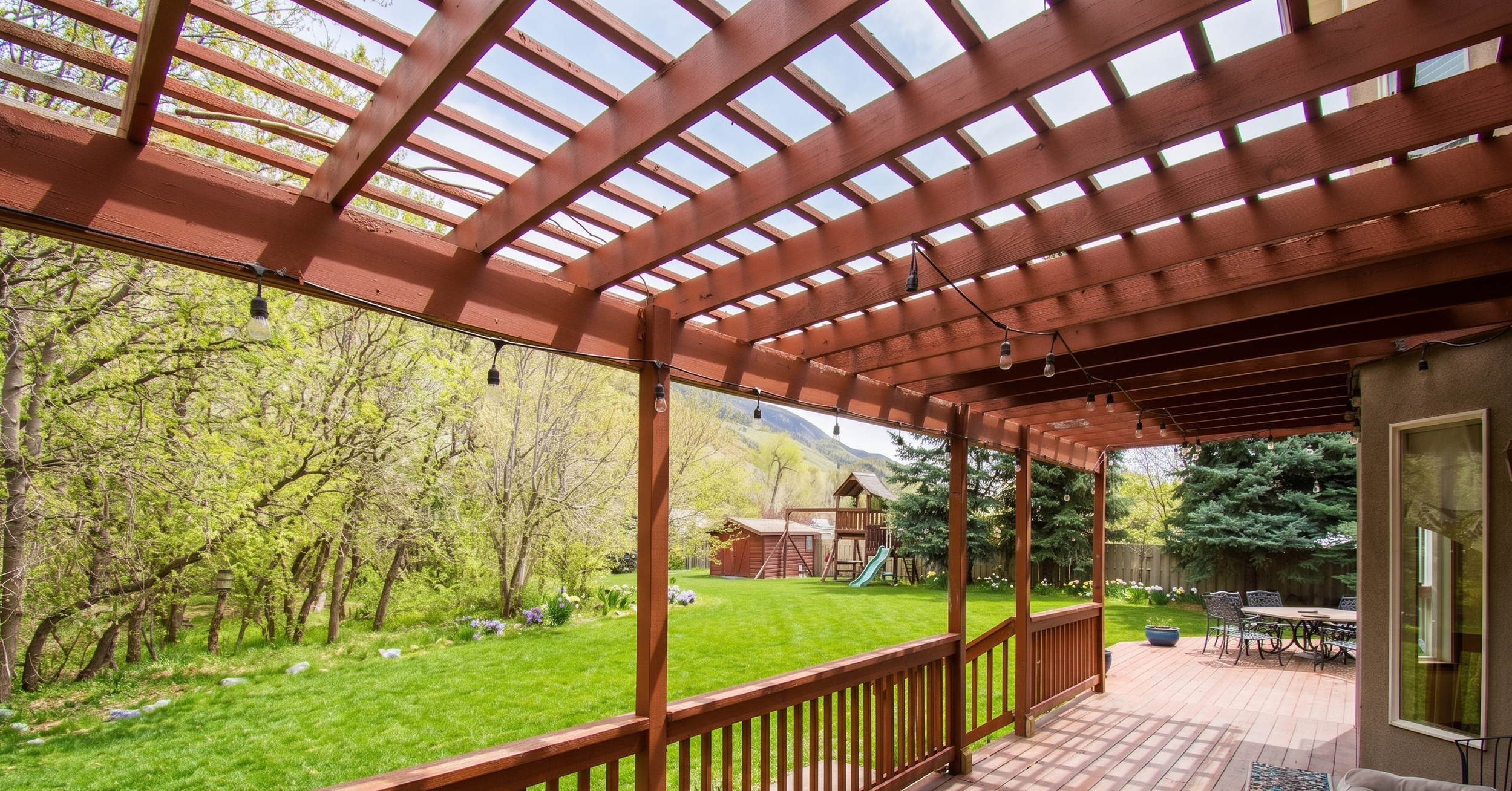
A pergola with climbing plants is one of those investments that just keeps getting better. The structure itself gives you some enclosure right away. But add Virginia creeper, clematis, or even a hardy grape vine, and within a few seasons you've got a living, breathing privacy wall that looks nothing like something you bought for that purpose.
It's slower. But it becomes a real feature of the property rather than just a screen.
What this actually does for your home
Privacy is a big part of what makes a yard feel finished. It's hard to quantify, but it's real.
More practically: if better privacy means you actually spend time outside, you're getting more out of your home every single week. That's not nothing. Most of us bought a home with a yard because we wanted to use it.
If you've been putting off doing something about your backyard because it all feels too exposed, start small. One fence panel. A row of spruce along the back. A couple of curtain panels on your deck. You don't have to solve the whole thing at once.
Start with the spot that you feel the most exposed — whether it’s the corner facing your neighbour’s yard or a deck exposed to the street — and improve that area first. Even one small change can completely transform how the space truly feels.
And once you've done it? You'll wonder why you waited so long.